

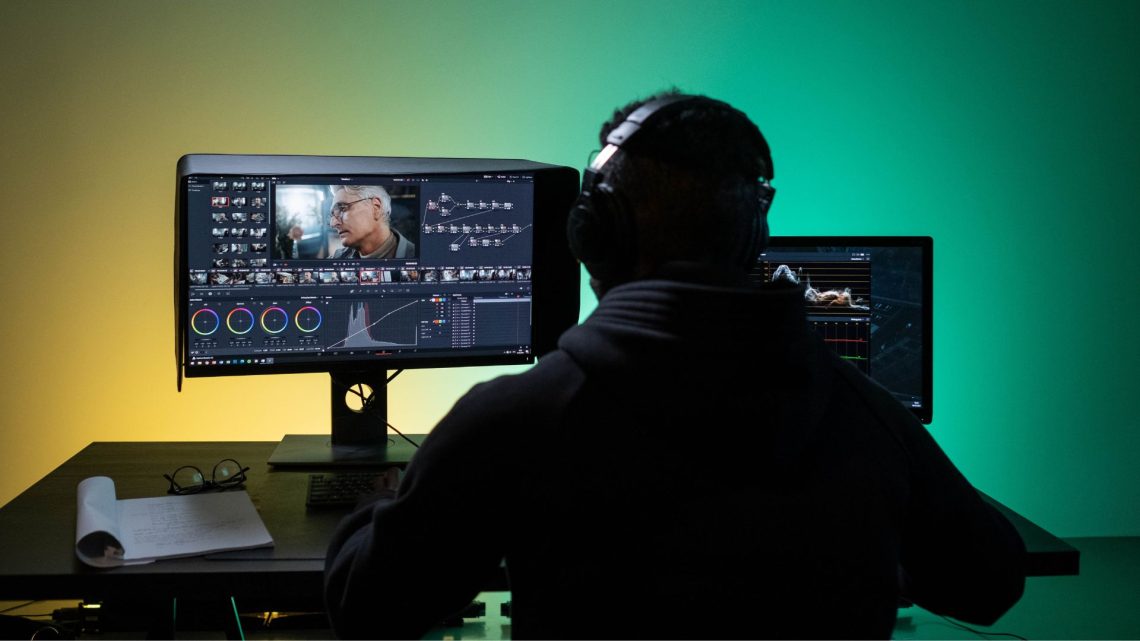
Film editing workflows that improve efficiency and creative accuracy
January 27, 2026Creative organization brings clarity to every stage of motion picture creation. A skilled film editor depends on steady systems to manage footage with confidence. Order and planning reduce mistakes while saving valuable production time. Each step connects vision with execution through simple and reliable methods. These working patterns turn complex tasks into smooth and purposeful progress.
Structured planning for smooth editing
Planning sets the foundation for efficient work and artistic control. When clips are arranged clearly, creative decisions become easier. Editors can focus on storytelling instead of searching for files. This structure saves time and protects creative accuracy.
Key workflow practices for editors
Several practices help editors work faster while maintaining quality. These ideas support both precision and creativity.
- File organization improves access to footage and sound resources
- Timeline labeling prevents confusion during long editing sessions
- Version control protects earlier creative decisions safely
- Shortcut usage speeds up repetitive technical actions
- Preview sequences allow a quick review of the story flow
- Backup systems secure projects from unexpected data loss
- Clear naming rules support team collaboration
- Task scheduling keeps production moving smoothly
Creative accuracy through repetition
Repeated review strengthens creative judgment and clarity. Each pass refines pacing and emotion. Editors learn to spot weak moments quickly. Accuracy improves when workflow supports reflection and adjustment.
What makes efficient workflows improve creative results?
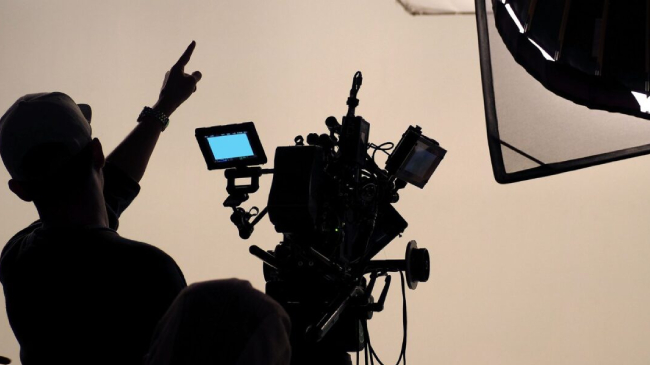
Efficient workflows remove obstacles between thought and action. When tools and files remain organized, editors focus fully on story meaning. This freedom allows imagination to grow without technical distraction.
Clear systems also reduce stress and fatigue. When work feels predictable and controlled, creativity remains fresh. Accuracy increases because every change is deliberate and measured. These conditions help visual stories reach higher artistic standards.
Balanced systems for daily editing
A strong workflow supports both speed and artistic purpose. A film editor uses structured routines to avoid rushed choices. Balance comes from mixing discipline with imagination. This approach protects quality while meeting deadlines.
Focus and creative discipline
Discipline shapes how editors manage long projects. Simple habits guide attention and prevent overload. Clear methods support consistency across scenes. Focus grows when workflow removes unnecessary effort.
Paths toward creative mastery
Artistic growth depends on order, patience, and thoughtful habits. Strong routines support imagination and precision together. Each system builds confidence and stability in production. Editors benefit from methods that respect both time and vision.